At a meeting earlier this week, I was part of a conversation about a future project that will support refugees and immigrants with digital access and connectivity upon arrival. As we talked through what that support could look like, one point became especially important: ensuring that what people receive is presented in a way that does not make them feel like they are being handed secondhand goods or someone else’s leftovers. That led to a deeper conversation about dignity and how too often, organizations approach people with a “good enough” mindset rather than a “give them our best” mindset.
We spend a lot of time at CACRC talking about technology and digital access. We work to connect people to devices so they can move forward in opportunity, stability, and hope, but underneath all of that is something even deeper. Everything we do must be rooted in the inherent worth of the people and communities we serve. Our work is rooted in dignity.
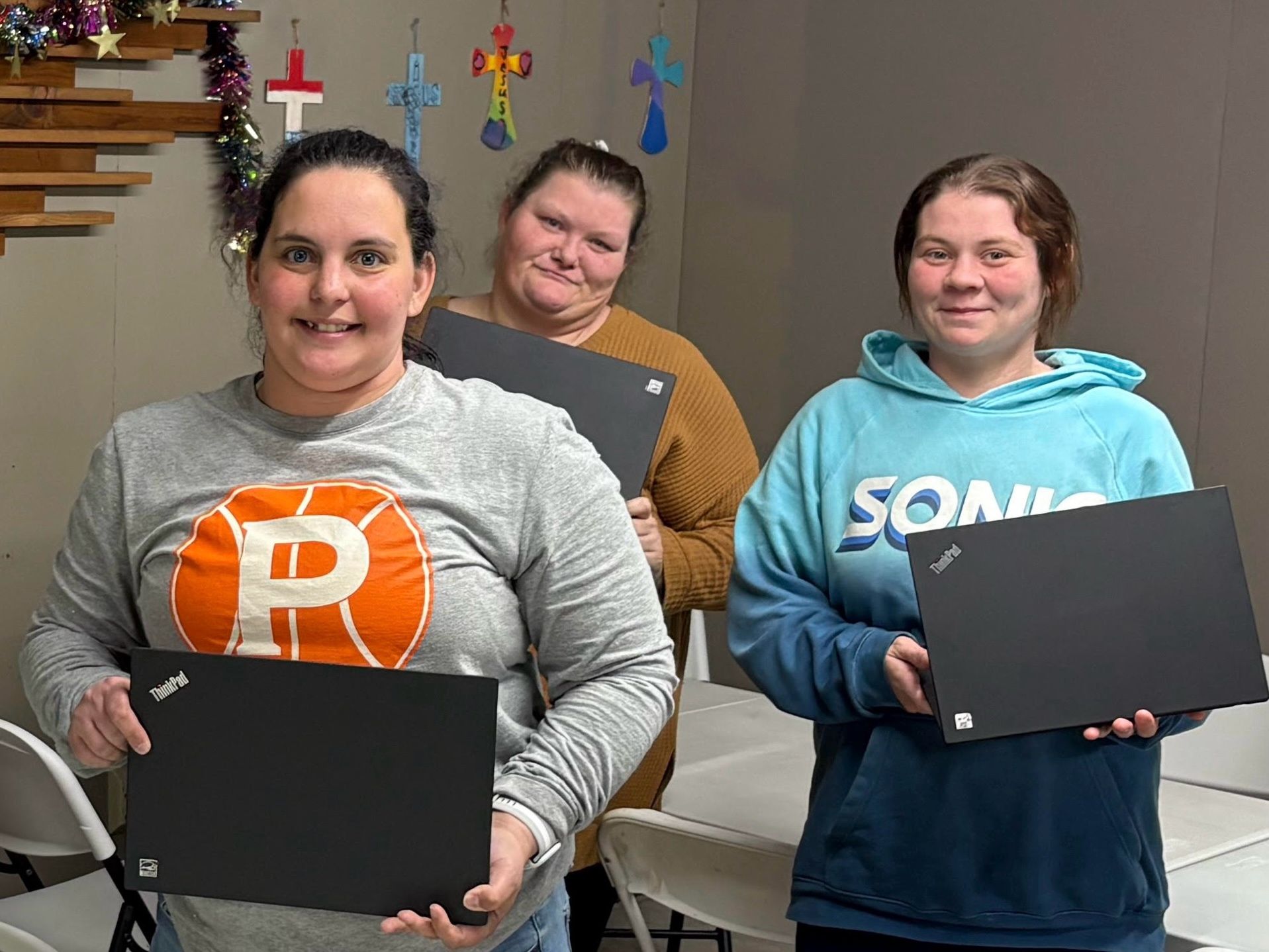
We aim to treat people with dignity in our storefront when they are looking for an affordable device. Dignity matters when a parent, student, job seeker, or someone rebuilding their life contacts us requesting support for a donated device. Dignity is essential in the way we work alongside community partners, with the belief that good work happens through mutual respect and shared purpose.
Too often, people are treated as problems to solve instead of people to honor. At CACRC, our work sits at the intersection of environmental sustainability, technology, and community impact. We recycle electronics responsibly and refurbish devices with care. We help extend the life of technology so it can create new opportunities for others. However, if we do that work without humanity, then we have missed something essential. Digital access is about more than machines. It is about people.
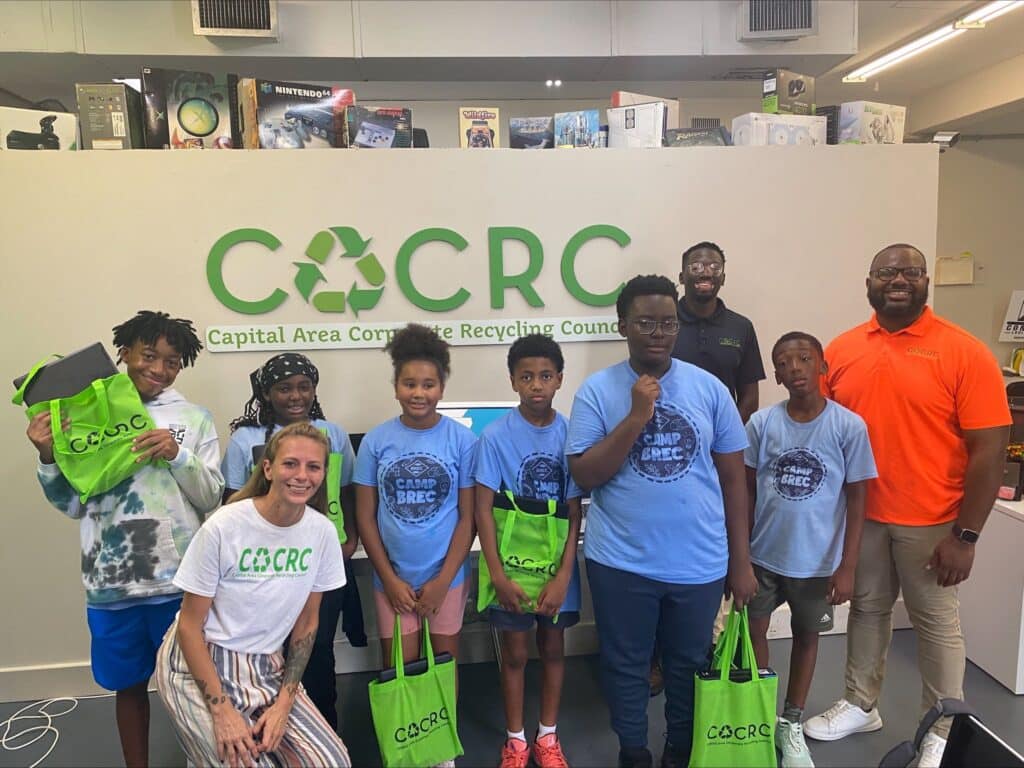
A computer can help someone apply for a job, finish a GED, access telehealth, complete schoolwork, communicate with family, participate in a support group, or take one more step toward stability, but the way that device is given matters too. The process matters. The interaction matters. People deserve to feel seen, not scrutinized. They deserve to feel supported, not shamed. They deserve to know that asking for help does not lessen their value. That belief shapes every part of our work.
We want that belief to shape how we greet people in our storefront, how we respond to support requests, how we collaborate with nonprofit partners, schools, libraries, and community leaders. It should shape how we speak about the communities we serve and how we move through the world beyond the walls of our facility.
Dignity means recognizing that every person is more than their current circumstance. The person looking for an affordable device may be a future graduate, entrepreneur, nurse, teacher, or small business owner. The person asking for support may be carrying more courage than we can see. The community partner sitting across the table from us brings wisdom, trust, and lived understanding. Our unhoused neighbors are not invisible. Every person we interact with is human, and that humanity calls for compassion.
When we lead with dignity, digital access becomes something deeper than distribution. It becomes an act of connection. It becomes a way of saying: you matter, your goals matter, and you deserve the tools and support to fully participate in the world around you. That is the kind of work we want to do. At CACRC, we believe technology can open doors. We believe in recycling with purpose and connecting with impact. We especially believe every interaction, no matter how big or small, is a chance to treat someone with the dignity they deserve. In the end, the work is not just about devices; it is about people, and people should always come first.